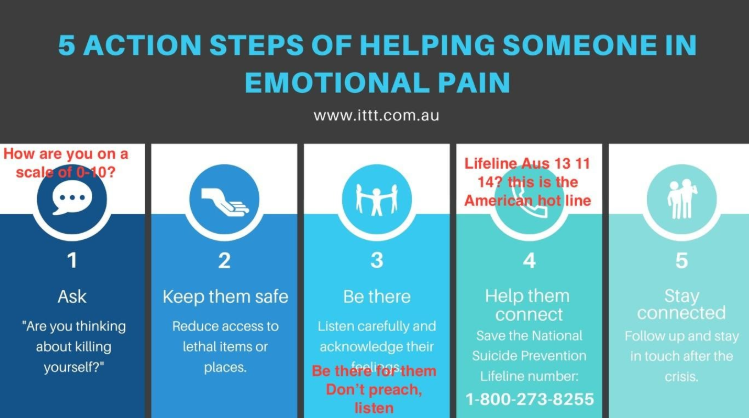
ITTT (In Tough Times Text) is aimed at bringing families & friends into an individual’s suicide prevention support team by providing them with easy to use technology thereby enabling them to send frequent supporting 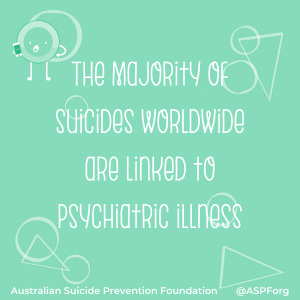 messages to someone close in distress.
It is accepted that frequent contact over short periods, brief texts between doctors, therapists and patients, allows closer monitoring of suicidal thoughts, repeated therapeutic comments, challenges hopelessness and can save lives.
Technology, especially daily text contact, presents a real opportunity to provide more ongoing assessment and supportive contact that once was not possible. Such messages take less than a minute to compose and send, but for a suicidal patient, where depressive rumination insists they are alone, and cannot be helped, receiving such messages may change their entire perspective.
The majority of suicides worldwide are linked to psychiatric illness, commonly depression. The reality is that the pathogenesis of depression is extremely complex and suicide, capricious by nature, is wholly unpredictable, with causes even more complicated.
Suicide prevention research is frequently focussed on trying to predict risky behaviour, and not examining resilience-based interventions. Research has established interpersonal support and connectedness are protective factors against suicide, existing evidence endorses frequent contact with treating clinicians an effective tool for treating the suicidal patient. Other research emphasises both the therapeutic relationship and that social isolation is a major suicide risk factor.
Resilience based interventions have the potential to prevent suicidal ideation from progressing to suicidal behaviour. As a recovered patient said, reflecting back over years of treatment from multiple mental health practitioners: “no other branch of medicine would tell a patient with a life-threatening illness to come back in a week”.